Common carpet cleaning mistakes Edgware landlords see
Posted on 07/10/2026
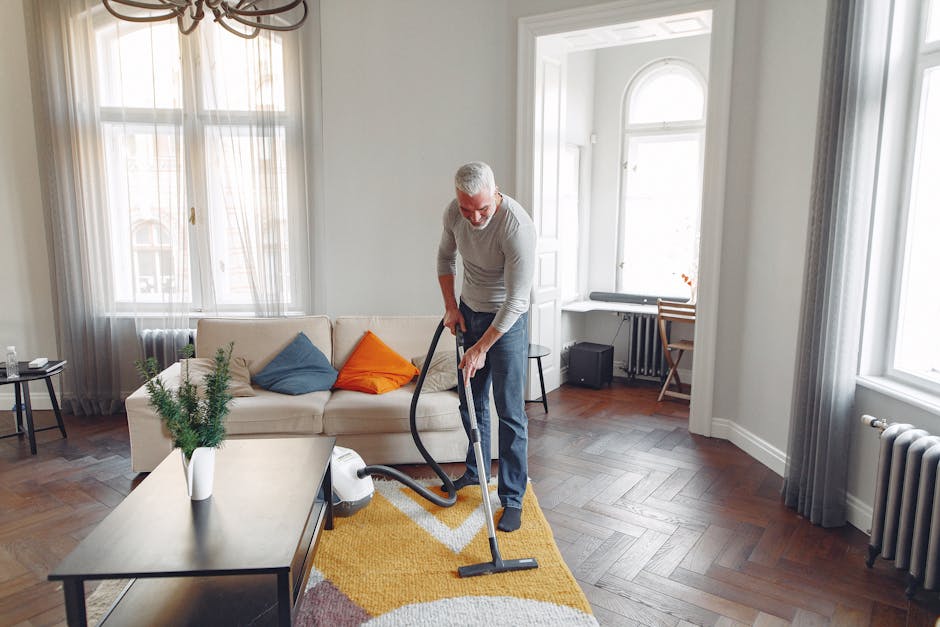
If you rent property in Edgware, you already know the carpet can make or break a first impression. It takes only one tired hallway runner, one damp patch that never quite dried, or one badly cleaned lounge to turn a decent flat into a problem at the end of a tenancy. The common carpet cleaning mistakes Edgware landlords see are rarely dramatic, but they add up: dull fibres, lingering smells, stubborn stains, and awkward conversations at check-out. This guide breaks down what usually goes wrong, why it matters, and how to avoid the same headaches in your own rental.
Truth be told, carpet care often gets left until the last minute. Then everyone is rushing, the tenant is moving boxes, and somebody reaches for whatever spray is under the sink. That is usually where things go sideways.
Table of Contents
- Why Common carpet cleaning mistakes Edgware landlords see Matters
- How Common carpet cleaning mistakes Edgware landlords see Works
- Key Benefits and Practical Advantages
- Who This Is For and When It Makes Sense
- Step-by-Step Guidance
- Expert Tips for Better Results
- Common Mistakes to Avoid
- Tools, Resources and Recommendations
- Law, Compliance, Standards, or Best Practice
- Options, Methods, or Comparison Table
- Case Study or Real-World Example
- Practical Checklist
- Conclusion
- Frequently Asked Questions
Why Common carpet cleaning mistakes Edgware landlords see Matters
Carpet cleaning is not just about appearances, although that matters plenty. In a rental property, carpets affect how clean a home feels, how well it smells, and how fairly a deposit discussion goes. A carpet that looks patchy or still smells of pet odour can make tenants assume the whole property has been poorly maintained. And once that feeling lands, it is hard to shift.
For landlords in Edgware, the stakes are practical as well as financial. Many properties here see a steady turnover of tenants, family tenants, sharers, or professionals who expect a tidy, move-in ready place. If carpets are left muddy, damp, or overtreated with the wrong product, the damage can be more expensive than a proper clean would have been in the first place. That is the awkward bit. Spend a little now, or spend more later. Usually more.
There is also the time factor. A rushed clean before inventory, check-out, or new tenancy can lead to repeat visits, complaints, or a last-minute scramble for a replacement carpet cleaner. Landlords do not need perfection, but they do need consistency. The goal is a clean that holds up under scrutiny, not one that looks fine for ten minutes and then reveals old marks again when the carpet dries.
Expert summary: The biggest issue is rarely one dramatic error. It is usually a chain of small mistakes: the wrong product, too much water, poor drying, and no proper inspection afterwards. That combination can quietly shorten the life of a carpet and make the property harder to let cleanly next time.
How Common carpet cleaning mistakes Edgware landlords see Works
When a landlord or tenant cleans carpet properly, the aim is simple: remove soil, lift stains where possible, neutralise odour, and leave the fibres dry enough to avoid mould, smells, or residue. When mistakes happen, the process gets thrown off at one of those points. That is why the result often looks worse after the clean than before it.
The usual chain goes something like this:
- Loose dirt is not removed first, so it gets worked deeper into the carpet.
- A cleaning product is applied too heavily, or left on too long.
- Agitation is too aggressive, so fibres flatten or fray.
- Extraction or rinsing is incomplete, leaving sticky residue.
- Drying is slow, which can create a musty smell or reappearance of marks.
There is a simple reason why this matters. Carpet fibres behave a bit like hair: if you scrub them the wrong way, use the wrong chemicals, or leave them damp for too long, they do not thank you for it. They just look tired. Sometimes immediately.
Edgware landlords often see these mistakes after a tenancy when a property has been cleaned in a hurry, or by someone who is fine at general tidying but not familiar with carpets, stain types, or fibre sensitivity. A cream wool carpet, for example, needs a different touch from a hard-wearing synthetic hallway carpet. That sounds obvious, yet this is exactly where many jobs go wrong.
Key Benefits and Practical Advantages
Getting carpet cleaning right is not just about avoiding damage. It creates a smoother tenancy cycle and fewer avoidable disputes. A proper clean can support everything from quicker re-letting to better tenant satisfaction. In a busy rental market, that is no small thing.
- Cleaner handovers: Fresh carpets help the property present well at inventory and move-in.
- Longer carpet life: Correct cleaning reduces wear from embedded grit and incorrect chemicals.
- Fewer complaints: Odour, stain, and damp-related issues are less likely to trigger friction.
- Better photos and viewings: Clean flooring improves the feel of the entire room, even in simple letting photos.
- More predictable costs: Preventive care often costs less than replacement or repeated remedial work.
There is also a less obvious benefit: confidence. When you know carpets have been cleaned correctly, you can speak more clearly with tenants, agents, and inventory clerks. That confidence helps, especially if you have more than one property and a lot of moving parts to juggle.
And yes, carpets can be a bit dramatic. A slight water mark somehow becomes the star of the room, right when you have three other things to deal with.
Who This Is For and When It Makes Sense
This topic is most relevant for private landlords, letting agents, property managers, and anyone handling end-of-tenancy or periodic cleaning in Edgware. It is also useful for accidental landlords who only manage one place and may not have a regular cleaning routine in place. One flat is still enough to cause grief if the carpet goes wrong.
It makes sense to think about these mistakes when:
- a tenant is moving out and you want a smoother check-out;
- there has been a spill, pet accident, or smoking-related odour;
- you are preparing a property for new marketing photos;
- the carpet has been cleaned before but still looks dull or patchy;
- you are comparing DIY cleaning with professional carpet cleaning in Edgware;
- you manage furnished lets where presentation matters more than people expect.
If you are already planning wider property maintenance, it can help to look at the bigger picture too. A carpet clean rarely sits alone. It often sits alongside an end of tenancy cleaning service in Edgware or a broader deep cleaning Edgware plan, especially where a property needs a reset between occupiers.
To be fair, not every carpet needs specialist treatment every time. But if you are unsure, it is usually better to treat the job seriously than to hope the stains will somehow disappear by looking at them hard enough.
Step-by-Step Guidance
If you want to avoid the most common cleaning failures, work through the process in order. Skipping steps is where trouble starts. Always.
1. Inspect the carpet first
Look for fibre type, old stains, traffic lanes, loose seams, and signs of wear. If the carpet is wool, loop-pile, or particularly old, the cleaning approach should be more cautious.
2. Remove dry soil before wet cleaning
Vacuum slowly and thoroughly. Dry grit behaves like sandpaper underfoot, so if it stays in the carpet, wet cleaning just spreads the mess around.
3. Test any product in a small hidden area
Spot-testing matters more than many people think. It helps reveal colour bleed, fibre reaction, or residue issues before the visible area is affected.
4. Pre-treat stains with the right method
Different stains need different handling. Food grease, mud, wine, pet marks, and ink all behave differently. Blotting is better than scrubbing in most cases. Scrubbing often just drives the stain deeper. A very common little disaster, that one.
5. Clean with controlled moisture
Whether using a machine or hand-cleaning, avoid soaking the carpet. Over-wetting can lead to long drying times, backing damage, and wicking, where the stain resurfaces after drying.
6. Rinse and extract properly
Residue attracts dirt. If cleaning solution is left behind, the carpet may look clean for a day or two and then start soiling faster than before. That is one of the most annoying mistakes because it looks like progress at first.
7. Dry the carpet fully
Increase airflow, keep rooms ventilated, and avoid heavy foot traffic until the carpet is dry. If the room smells faintly damp by evening, it probably needs more time. Simple as that.
8. Check the result after drying
Once dry, inspect for repeat staining, residue, or flattening. Spot treat if needed, but do not keep flooding the same area. A careful second pass is fine; repeated soaking is not.
Expert Tips for Better Results
A few practical habits can make a huge difference, especially for landlords who want reliable results without turning every clean into a weekend project.
- Deal with stains early: The sooner you act, the less chance they have to set into the pile.
- Use the right water temperature: Too hot can set some stains or damage delicate fibres.
- Keep entrances protected: Mats and regular vacuuming reduce soil build-up in hallways and reception areas.
- Do not mix products: Some combinations can create residue, fumes, or fibre damage. Not worth the risk.
- Think beyond the visible stain: Odour often lingers even when the mark looks gone.
- Match method to carpet type: A fitted bedroom carpet and a high-traffic hallway can need different approaches.
One useful habit is to clean in daylight when possible. Morning light from a bay window or a bright hallway often reveals marks you simply cannot see at night. That tiny patch near the skirting board? It always shows up then, annoyingly.
If the property has related soft furnishings, remember that carpets and upholstery tend to collect the same kind of dirt patterns. Coordinating care with upholstery cleaning in Edgware can create a more consistent finish across the room, which tenants notice even if they do not mention it.

Common Mistakes to Avoid
This is the section where most landlord headaches live. Some of these are small mistakes. Some are bigger. All of them are common enough to be worth avoiding on purpose.
- Using too much detergent: More product does not mean cleaner carpet. It often means sticky residue and faster resoiling.
- Scrubbing stains aggressively: This can spread the mark, rough up fibres, or create a faded patch.
- Over-wetting the carpet: Excess water can damage the backing and cause lingering damp smells.
- Ignoring the fibre type: Wool, synthetic, and blended carpets behave differently. One method does not fit all.
- Skipping a proper vacuum: Wet cleaning over dirt is just a muddy shortcut.
- Not allowing enough drying time: Furniture marks, mould risk, and return staining can all follow.
- Using the wrong stain remover: Some chemicals bleach or set stains, especially on coloured carpets.
- Trying to save everything with one pass: Deep staining may need repeat treatment, but controlled and careful.
Another big one: forgetting to document the carpet before and after cleaning. For landlords, a few clear photos can save a surprising amount of back-and-forth if something comes up later. Not glamorous, but practical.
And yes, one of the least scientific methods is still popular: "it looked fine while it was wet." That is exactly the trap.
Tools, Resources and Recommendations
You do not need a van full of specialist kit to maintain carpets sensibly, but the right tools help more than people expect.
- Vacuum cleaner with good suction: The everyday workhorse. Ideally used slowly, not rushed in straight lines like you are late for a train.
- Microfibre cloths and absorbent towels: Useful for blotting spills before they settle.
- Carpet-safe stain remover: Choose one designed for the relevant fibre and stain type.
- Air movers or fans: Helpful for drying, especially in cooler months when windows stay closed.
- Protective gloves: Sensible for stronger cleaning products.
- Inventory photos and inspection notes: Not a cleaning tool exactly, but absolutely useful.
If you are comparing services or planning a wider property refresh, the services overview page can help you understand how carpet work fits alongside other cleaning options. For landlords keeping an eye on budget planning, the pricing and quotes information is also worth reviewing before booking.
For more context on broader rental turnover, the article on end of tenancy cleaning near Burnt Oak Broadway is useful reading if you are balancing carpet care with full-property handover work.
Law, Compliance, Standards, or Best Practice
There is no one-size-fits-all legal rule that says how often carpets must be cleaned in a rental property, but landlords still have duties around habitability, safety, and fair maintenance. In practice, that means carpets should be kept in a reasonable condition, cleaned where needed, and replaced when they are no longer fit for use.
Best practice is to use a clear inventory and checkout process, note carpet condition at the start and end of a tenancy, and keep receipts or service notes where possible. That helps if there is any discussion about fair wear and tear, tenant damage, or whether a stain pre-dated the tenancy.
It is also sensible to pay attention to cleaning product safety and ventilation, especially in smaller London flats where airflow can be limited. Strong chemical smells can linger longer than expected in a closed space. Nobody wants to hand over keys to a property that still smells like a chemistry experiment.
If carpets are badly soiled, damaged, or suspected of mould, do not keep patching over the problem. In those cases, a more cautious approach is usually the right one, and in some properties it may be better to seek professional support rather than risk making the issue worse.
Options, Methods, or Comparison Table
Different carpet cleaning approaches suit different situations. The right choice depends on fibre type, how dirty the carpet is, how quickly the room must be back in use, and whether you are dealing with a stain, an odour, or a general refresh.
| Method | Best for | Pros | Watch-outs |
|---|---|---|---|
| Vacuuming and spot treatment | Routine upkeep, minor spills | Quick, low cost, good for prevention | Not enough for deep dirt or strong odours |
| DIY shampoo or rental machine | Moderate soil in sturdy synthetic carpets | Accessible, flexible timing | Easy to over-wet, leave residue, or miss drying time |
| Professional hot water extraction | Heavier soil, end of tenancy, stubborn marks | Deeper clean, often more consistent results | Needs proper drying and correct fibre handling |
| Specialist stain treatment | Wine, pet, grease, traffic lane marks | Targets the stain type more precisely | Requires the right product and careful testing |
If you are unsure which route is safest, a professional clean is often the less risky choice for landlords. That is especially true when the carpet is part of a wider move-out clean or the property needs a presentable turnaround on a tight schedule.
Case Study or Real-World Example
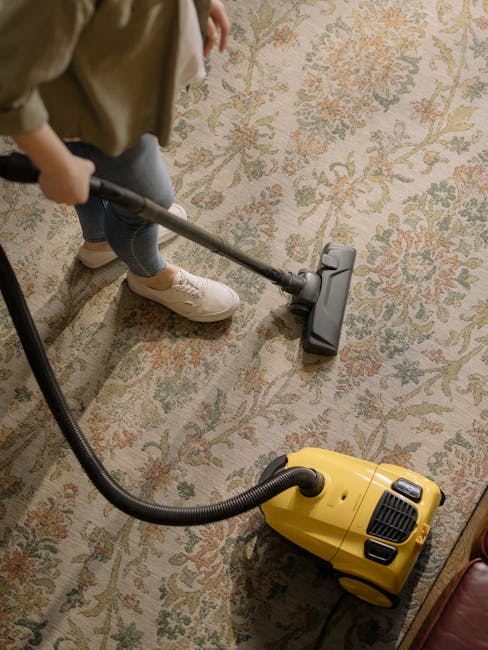
Here is a realistic example from the sort of situation landlords run into all the time. A two-bedroom flat in Edgware was being prepared for new tenants after a long let. The living room carpet looked broadly fine at first glance, but there were a few dark traffic lines near the sofa and a faint smell near the window where a plant had been overwatered. Nothing dramatic. Just a bit tired.
The first attempt was a quick DIY clean using a strong general-purpose product and quite a lot of water. The visible marks faded, which seemed promising. But two days later, once the carpet dried fully, the same traffic marks reappeared and a slightly sour smell remained. Classic wicking. The stain had not been removed; it had been pushed around and drawn back up as the carpet dried.
A more careful second approach used pre-vacuuming, targeted stain treatment, controlled moisture, and proper drying time. The result was not magical, just thorough. The carpet looked cleaner, the smell reduced, and the room felt like part of a cared-for home again. That is often what landlords really need: not perfection, just no surprises.
Small note, but an important one: the property was easier to market after that. Viewers notice a fresh carpet even when they are looking at kitchen units or storage space. They just do. Rooms feel more settled, less rented-through, if that makes sense.
Practical Checklist
Use this quick checklist before and after carpet cleaning in a rental property:
- Vacuum thoroughly before any wet cleaning.
- Identify carpet fibre type if possible.
- Test cleaning products in a hidden spot.
- Use the least aggressive method that will do the job.
- Blot stains instead of scrubbing hard.
- Avoid soaking the carpet backing.
- Rinse or extract leftover solution properly.
- Allow enough drying time before moving furniture back.
- Open windows or use fans where practical.
- Take before-and-after photos for records.
- Check for odour, residue, or reappearing stains once dry.
- Coordinate with wider tenancy cleaning if the property needs it.
If you follow even half of that list carefully, you are already ahead of many rushed end-of-tenancy cleanups. That's the honest truth.
Get a free quote today and see how much you can save.
Conclusion
The common carpet cleaning mistakes Edgware landlords see are usually avoidable once you know what to look for: too much water, the wrong product, rushed drying, and a lack of proper inspection. None of that is especially glamorous, but it matters because carpets shape how a property feels the moment someone steps through the door.
For landlords, the smartest approach is calm and methodical. Inspect first, clean carefully, dry properly, and document the result. That simple rhythm helps protect the carpet, reduce disputes, and keep your property looking cared for rather than merely cleaned.
If nothing else, remember this: a good carpet clean should quietly solve problems, not create new ones.


